
Installation Tuning
To get the best performance out of SearchBlox, the amount of CPU and memory you allocate should be based on three factors — the size and number of documents you are indexing, the number of collections you have configured, and the number of users performing searches at the same time. Adjust the settings below according to your specific workload.
NoteAny changes made to memory settings will not apply until the SearchBlox service is restarted. Make sure to restart the service after completing the memory tuning steps below for the new values to take effect.
Verify the amount of memory allocated and free for SearchBlox and Opensearch
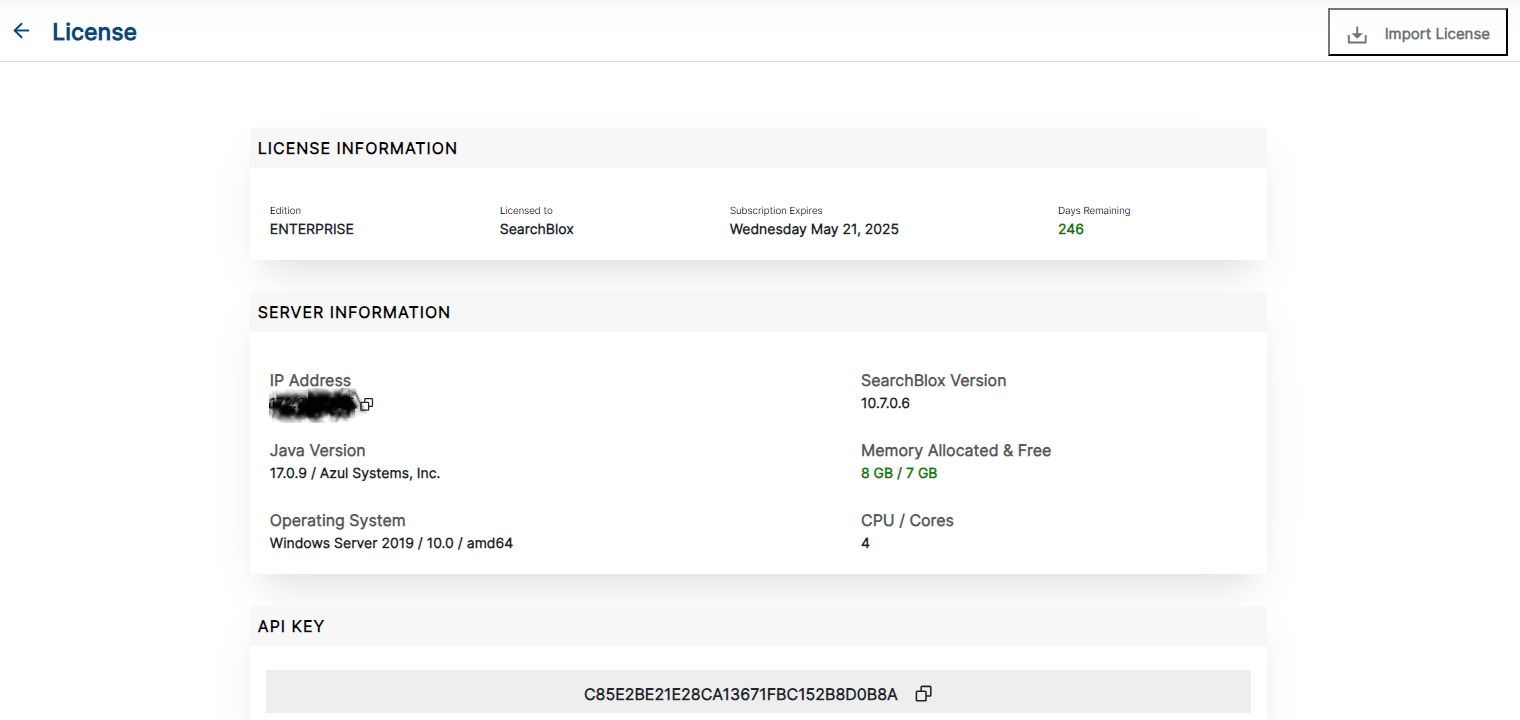
Verify SearchBlox Memory & CPU
- You can verify the memory allocated to SearchBlox in the Admin Dashboard license page
Tune SearchBlox Memory
Go to path <SearchBlox-Installation-Path>\start.d and edit the file jvm.ini to increase the memory as recommended.
To allocate 12GB, you can update below configuration:
-Xms12g
-Xmx12g
Verify Elasticsearch Memory Allocation
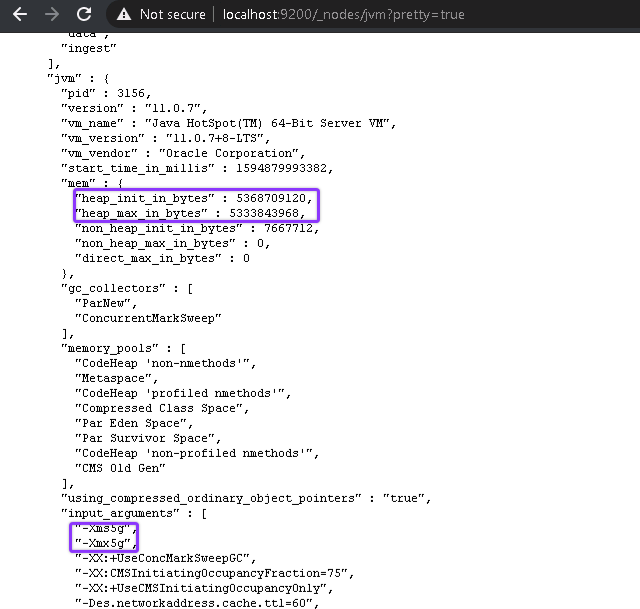
- You can verify the memory allocated to Elasticsearch using the URL: https://localhost:9200/_nodes/jvm?pretty=true
The heap memory allocated in bytes is displayed.
Alternatively, if you use Linux versions of SearchBlox you can use the following curl command
`curl -k -u <elasticsearch-username>:<elasticsearch-password> https://localhost:9200/_nodes/jvm?pretty=true`Tune Elasticsearch Memory
Go to path <SearchBlox-Installation-Path>\opensearch\config\ and edit the file jvm.options to increase the memory as recommended.
To allocate 10 GB, you can update below configuration:
-Xms10g
-Xmx10g
Improve Concurrent Collections Indexing
- If you plan to crawl multiple collections at the same time, you can improve performance by increasing the Jetty thread values in
<SEARCHBLOX_INSTALLATION_PATH>/start.d/. - Out of the box, SearchBlox sets the minimum number of threads to 20 and the maximum to 100. While this is sufficient for light usage, if you are running multiple collections with large volumes of data, these default limits can become a bottleneck. Increasing these values allows the server to handle more simultaneous tasks without slowing down.
- Open the threadpool.ini file and add the following configuration block at the very end of the file. This sets new minimum and maximum thread pool limits suitable for heavy concurrent indexing. Save the file and restart the SearchBlox service for the changes to take effect:
# ---------------------------------------
# Module: threadpool
# Enables the Server thread pool.
# ---------------------------------------
--module=threadpool


### Server Thread Pool Configuration
## Minimum Number of Threads
jetty.threadPool.minThreads=100

## Maximum Number of Threads
jetty.threadPool.maxThreads=450

## Number of reserved threads (-1 for heuristic)
# jetty.threadPool.reservedThreads=-1

## Thread Idle Timeout (in milliseconds)
#jetty.threadPool.idleTimeout=60000

## Whether to Output a Detailed Dump
#jetty.threadPool.detailedDump=false
Updated 26 days ago